Louisville’s Coal Creek Golf Course is rerouting
Coal Creek Golf Course in Louisville has been through fire and flood since its opening in 1990, and this year is instituting a re-routing of the holes back to the way the course was operated prior to a devastating 2013 flood.
The original Coal Creek was designed by Colorado architect Dick Phelps. But in 2013 the course was devastated by floods from its namesake creek. It reopened in 2015 after a two-year rehabilitation led by architects Norby Golf Course Designs. The 2021 Marshall Fires destroyed a neighborhood along the first five holes and required hundreds of trees to be removed.
The popular public, daily-fee course has a front nine that begins to the south of the clubhouse. Golfers play the first five holes through high plains grasslands and tall native trees. Then they cross back underneath busy West Dillon Road to finish the front nine, then play the back.
This has been the configuration since the 2013 reopening. But beginning this winter the course began having players begin their rounds on the 10th tee box, playing the back-nine first. Later this summer the course is going to make it official and reverse the nines.
Both nines already finish at the clubhouse, but the 10th tee will move to the south side of West Dillon Road and the back nine will now begin with the five holes there.
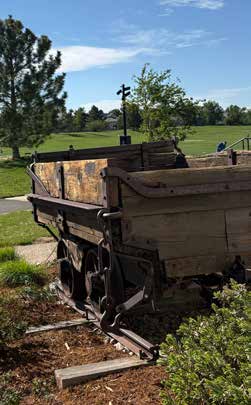
For longtime Coal Creek players, the move feels a bit like a return home. Prior to the flood reconstruction, golfers traditionally opened their rounds on the holes south of Dillon Road, easing into the course through a quieter, more scenic stretch before heading north toward the clubhouse side of the property.
Course officials believe the adjustment will improve the overall flow of play while also creating a stronger sense of continuity throughout the round.
The rerouting also addresses one of the more unique logistical challenges at Coal Creek — the constant interaction with West Dillon Road. Golfers currently cross beneath the roadway midway through the front nine, which can create congestion during busy morning tee times.
By flipping the nines, course management hopes to create a more intuitive rhythm for players and operations alike, especially during tournaments and league play.
The southern portion of the property has evolved significantly since the Marshall Fires swept through Louisville and Superior in late 2021.
Many of the mature cottonwoods and shade trees that once framed the opening holes had to be removed due to fire damage or safety concerns. In the years since, Coal Creek has continued replanting efforts, slowly reshaping the visual identity of the course while allowing younger trees and native areas to mature naturally.
Even through those challenges, Coal Creek has remained one of the busiest municipal golf facilities along the Front Range. Its wide fairways, walkable layout and mountain views have long made it a favorite for players of all skill levels.
The course’s location — tucked into one of Colorado’s fastest-growing communities — has only increased its popularity as Louisville and surrounding towns continue to expand.
There is also a symbolic element to the change. Few Colorado golf courses have endured as much environmental adversity over the last decade as Coal Creek.
Floodwaters dramatically altered portions of the property in 2013, while the Marshall Fires transformed the neighborhoods surrounding the course less than a decade later.
The decision to restore the original routing serves as another step in the facility’s ongoing evolution — one that honors its past while adapting to the realities of the future.
For many golfers, the rerouting may seem subtle on the scorecard. But on the ground, it represents another chapter in the resilience of a golf course that has continually reinvented itself while remaining deeply connected to the Louisville community.