New Ping and TaylorMade drivers appear on the USGA’s Conforming Driver Heads list.
By Tony Dear
Earlier this week, two new drivers appeared on the USGA’s list of drivers that conform to the game’s rules, suggesting (well, indicating, because why would a major OEM submit something to the USGA if it didn’t intend releasing it to the public?) retail launches would be forthcoming – likely around January’s PGA Show in Orlando.
On Monday, the Ping G440 K and TaylorMade Qi4D (and Qi4D LS and Qi4D Max) were approved for tournament play in all lofts and right/left-hand.
The Ping G440 K is the latest member of the G440 family, which launched with the G440 Max, G440 LST (low spin), and G440 SFT (straight flight) in January.
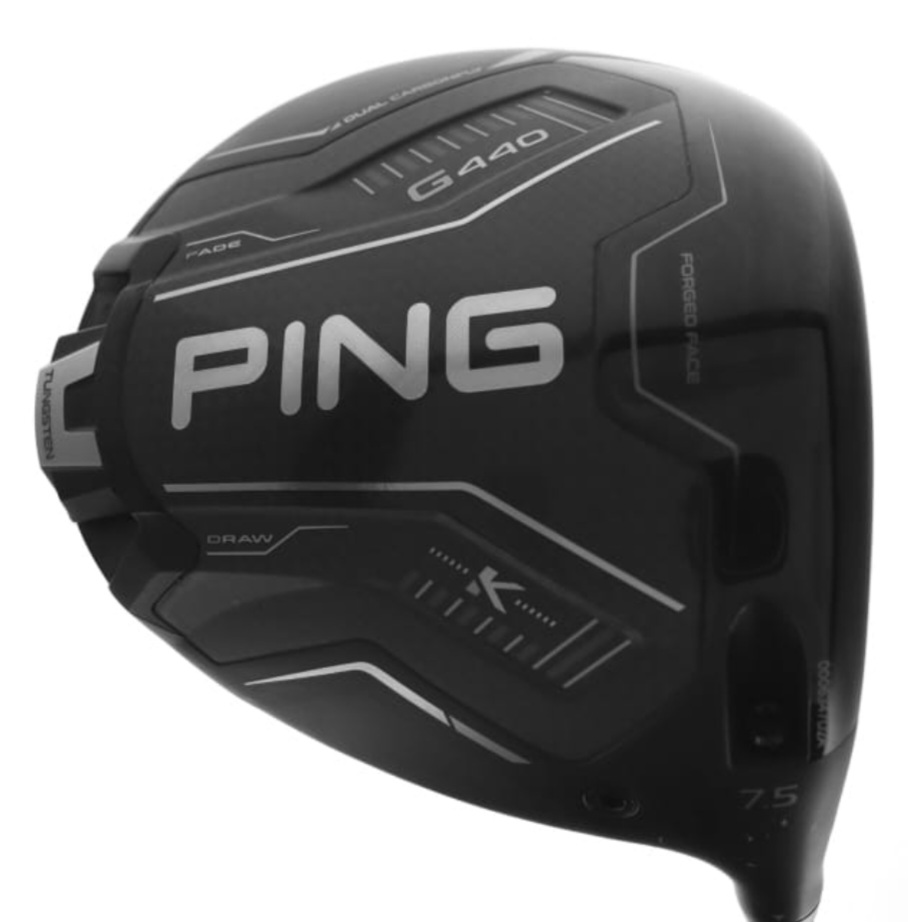
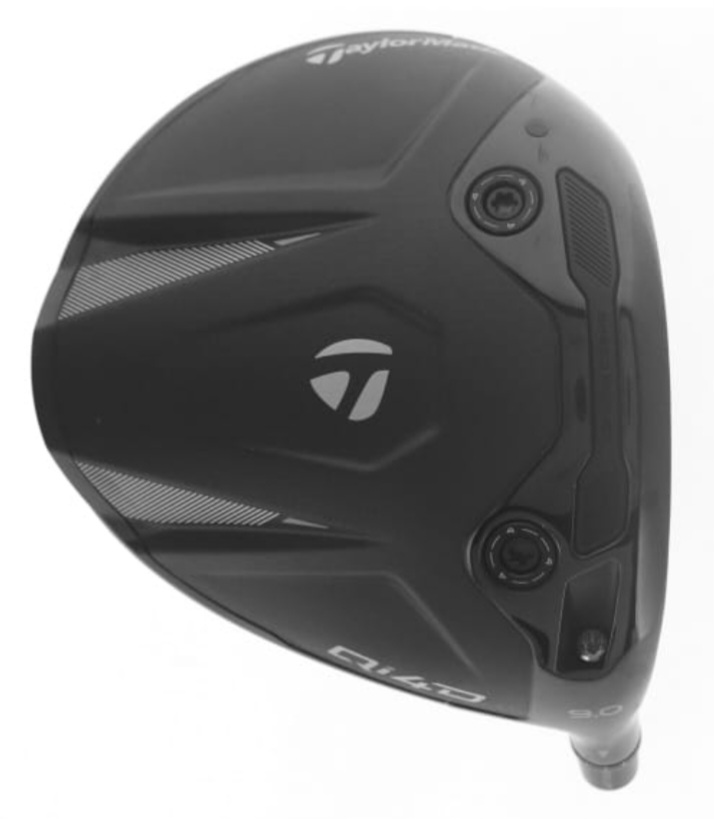
Additions to the conforming list typically come with a single black and white image of the clubhead (sole), the lofts that have been approved, and a list of identification markings. What you don’t get, obviously, is an explanation of what all the markings mean, a deep dive into where the clubhead’s technological features are located, or what they’re designed to do, an expected release date, or the anticipated price. That all comes later when the manufacturer actually releases the club, complete with several other images, glitzy videos, and all the accompanying marketing lingo.
Ping G440 K
Given the company’s recent launches and what you see on the conforming list, you can usually glean some useful information on what golfers can expect when the club(s) do eventually become available.
In the G440 K’s case, it’s probably safe to assume the K refers to the club’s MOI (short for 10K?) and that it’s going to be high and, consequently, very forgiving. The G440 K will replace the G430 Max 10K (released in early 2024), though there’s nothing to say if it will offer the same level of forgiveness (or MOI measurement)…or more.
What it will also feature is Dual CarbonFly. The CarbonFly Wrap first appeared on the G430 LST and then made it into the entire G440 family to save weight, increase forgiveness, and lower the Center of Gravity (CG). What “Dual” CarbonFly is isn’t entirely clear but a significant addition to the amount of carbon is likely, saving more weight and increasing the level of forgiveness.
The words “Forged Face” are also present on the sole suggesting a forged titanium face (consistent with prior Ping models) that increases the amount the face flexes and thus your ballspeed. There’s a tungsten weight port at the rear of the sole which presumably slides to affect draw or fade-spin and “Spinsistency” is listed among the Identification Markings indicating the face is engineered to create consistent spin across the hitting area.
An adjustable hosel can be seen in the image, too, suggesting the continuance of Ping’s Trajectory Tuning 2.0 system – an eight-position hosel that enables adjustments for loft (±1.5°) and lie (up to 3° flatter than standard.)
All that, while exciting and satisfying, isn’t unpredictable. What we didn’t see coming though is a high-MOI driver being offered with just 7.5˚ of loft (9˚, 10.5˚, and 12˚ are also on the list). We actually can’t remember the last time we featured a driver with 7.5˚. New categories of golfers are being identified, and catered to, all the time and here we appear to have a driver that will suit golfers with very high swingspeeds but who are looking for extra forgiveness. You don’t normally associate those who generate a lot of clubhead speed with high-MOI and forgiveness. But here we are. It’s an interesting addition that won’t change what the G440 K stands for – forgiveness, high-MOI, stability, etc. – but will attract another section of golfers curious to give it a try.
The TaylorMade Qi4D, meanwhile, isn’t an addition to an existing family of drivers but a new family altogether and will comprise the standard Qi4D, Qi4D LS (low spin, surely), and the Qi4D Max (high-MOI?). The two most compelling aspects of the new Qi4D are probably the fact it will continue TaylorMade’s use of carbon faces first introduced with the Stealth drivers in 2022, and the positioning of weight ports to produce the trajectory and shot-shape bias you’re looking for.
The standard/core Qi4D has two four-gram weights located behind the Speed Pocket fairly close to the clubface. It isn’t clear from the photo if there is a rear weight(s) but the USGA description says there are two weights ports at the back.
TaylorMade Q14D
The Qi4D LS is for players who prefer the low, flat, piercing trajectory and has a two-weight configuration – 15 grams up front, and a smaller and assuredly lighter weight in the rear to reduce spin and get the ball flying relatively low.
The Qi4D Max will be the most forgiving model and while neither the photo nor the USGA description state what the club’s MOI will be, the description does state there’s a weight port at the back which will no doubt be heavier than the four-gram weight up front.
All three models will have TaylorMade’s T logo alignment mark on the crown.
For more info, go to the USGA’s Conforming Driver Heads page here and key in the manufacturer/driver details.
Want to increase golf swing speed and hit longer drives? Learn two simple ways to add clubhead speed, improve hip rotation, and create more distance off the tee.
The Japanese brand that’s part of Dunlop Sports appears to be disrupting conventional launch dates with the September/October releases of its latest equipment