The era of 300 yard holes in one has begun
Two players hit 300-yard holes in one in the same week this summer

By Jim Bebbington
In about six weeks Eagle Trace Golf Club in Broomfield is scheduled to lose access to its source for irrigation water, and residents from the neighborhood around the course are holding a town hall meeting Wednesday night, Sept. 15, to go over what the course’s possible closure means to them and their property values.
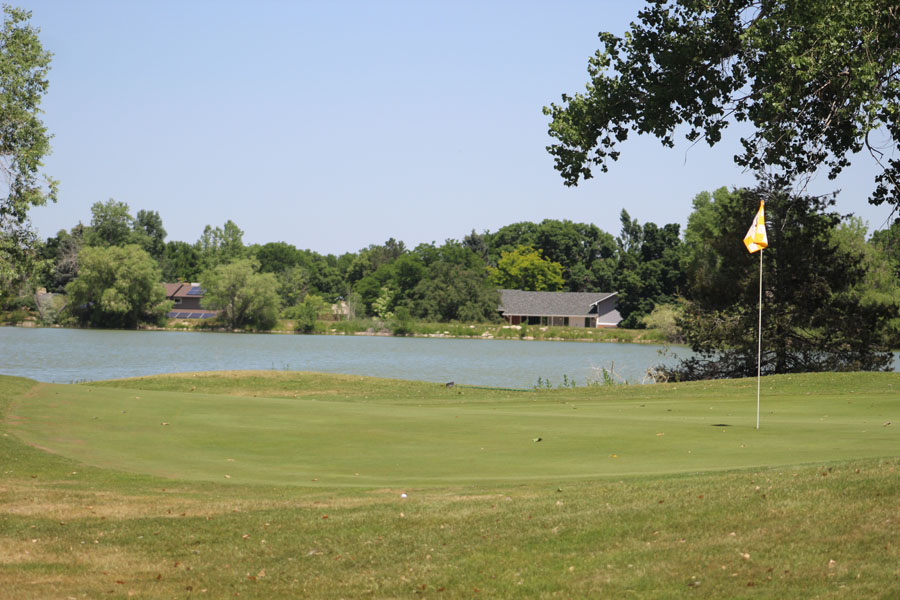
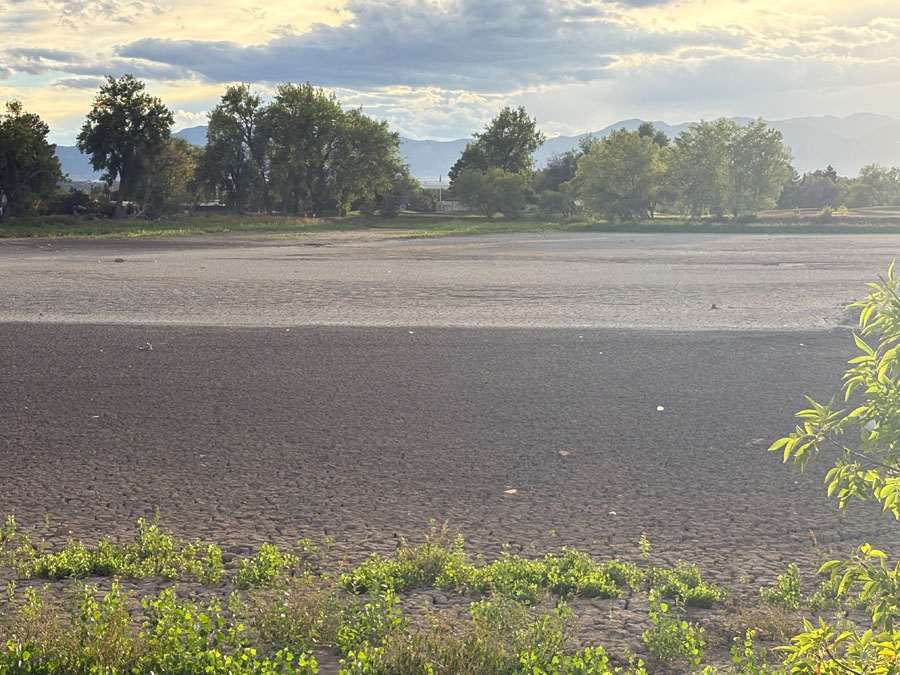
In 2024 the owner of Eagle Trace, a partnership headed up by a California-based attorney, sold the water rights that have irrigated the property to a local water investment group for $4 million. The deal gave Eagle Trace access to lease the water back, but just up to this November, when the taps would be turned off. Without a new source of water the course turf will likely die, and neighborhood residents have been working for more than two years to try to either save the course or get a solution for the land that doesn’t harm their homes.
Residents around the golf course have formed a community development corporation to pursue options if the course closes. That group is having a public town hall meeting 7 p.m. Sept. 16 at Broomfield United Methodist Church, 545 W. 10th Ave.
“All Eagle Trace area residents and interested community members are encouraged to attend, learn more, ask questions, and participate in this important community conversation,” the meeting announcement states.
The city of Broomfield has increasingly become involved in the situation. City officials learned in 2023 that the water rights from Eagle Trace were being offered for sale, but did not attempt to buy them because “Given the lack of immediate need for the water and the lack of existing available funds in the water enterprise (fund), staff determined that Broomfield would not be able to move forward with acquiring the water,” according to a 2025 summary written by Broomfield’s city manager to its council members. But after the impact of the course and its two reservoirs closing came nearer, the city in July agreed to pay $500,000 to buy the two reservoirs on the grounds of Eagle Trace Golf Club and associated water rights from Eagle Creek.
But the city is doing that just so the reservoirs can continue to operate as part of the city’s stormwater retention system, not to irrigate the golf course.
“The primary purpose of this acquisition has always been to secure the reservoirs for stormwater management; any available water serves as an added benefit in years when hydrologic conditions allow,” said Julie Story, Broomfield’s Director of Communications and Engagement.
According to a meeting synopsis emailed to Eagle Trace neighborhood residents this summer, Broomfield City Manager Jennifer Hoffman and her staff met in July with the neighborhood task force about the fate of Eagle Trace Golf Club. “Hoffman addressed the group, stating that after a thorough review of the water rights sale and the highly restrictive terms surrounding potential solutions, the current owner ‘has done the most possible damage one can do to a community,’ ” a meeting summary sent out by the neighborhood task force states.
Broomfield staff reviewed several options with the group. They included:
“Of the five options reviewed only Option 3 – converting the golf course to city-owned open space – was considered even somewhat feasible by city staff,” the task force email to residents stated.
This summer’s drought has also exacerbated the situation, with nearly all reservoirs and retention basins low throughout the region. The city has communicated that it is preparing to shore up the two reserves it has purchased but cannot guarantee they will always be full.
“CCOB (City and County of Broomfield) does not currently intend to fill or maintain water in the reservoirs solely for aesthetic purposes,” a city summary states. “This is consistent with how we are approaching ponds and water features throughout Broomfield during the current drought. Numerous (several hundred) ponds and water features within CCOB are experiencing very low water levels this year, and there is no plan to use municipal water supplies simply to keep them full.”
The Clear Creek water rights the city has purchased as part of the aquisition of the reservoirs would not be enough to allow for the continued operation of the golf course.
“Providing and storing additional water for golf course irrigation would require additional water rights, legal processes, and infrastructure investment, currently estimated at approximately $1.5 million to $2 million,” city documents state. “CCOB does not intend to undertake that investment for the privately owned golf course.”
For the neighborhood task force, which has sought to keep the course open, the meeting was blunt.
“Bottomline, CCOB is not coming to our rescue to save the golf course and City staff will be bringing to the City Council their recommendation that CCOB not consider taking over Eagle Trace as a municipally owned course,” the neighborhood memo states.
The task force members are still working on other solutions, such as working with the city on a hybrid solution where some of the land is converted to open space with some is used for a redesigned short or executive course that uses less water.
“This would significantly reduce water needs and may create a business scenario attractive enough for a private investor to lease the property from the city and create a smaller golf course,” the task for memo said.
A message request for comment to the owner of Eagle Trace was not responded to in time for this article’s publication.
Colorado AvidGolfer Magazine is the state’s leading resource for golf and the lifestyle that surrounds it, publishing eight issues annually and proudly delivering daily content via coloradoavidgolfer.com.